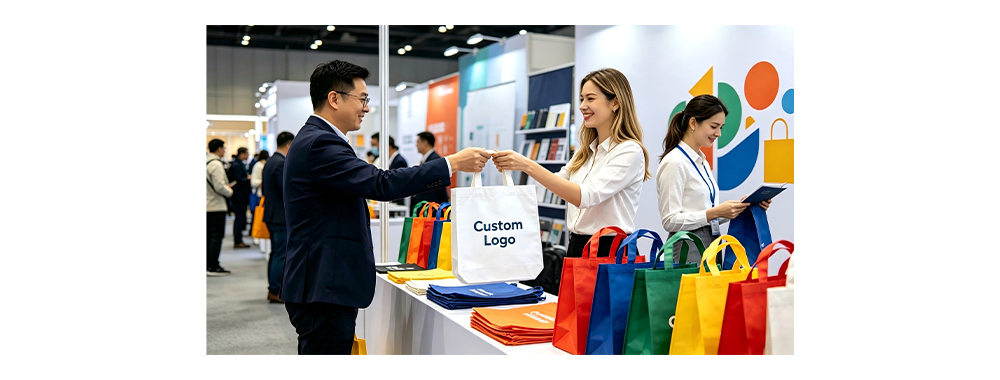
Non-woven bags have become one of the most practical and cost-effective packaging solutions for modern brand promotion. Whether used as retail shopping bags, trade show giveaway bags, or brand promotional bags, a well-designed customized non-woven bag can effectively enhance brand image. This article will provide a detailed explanation of how to cooperate with a professional Non-woven bag factory to create customized products that match your brand identity, based on two cooperation models: Non-woven bag OEM and PP non-woven bag ODM.
1. Why Choose Customized Non-woven Bags?
Non-woven bags are made from polypropylene (PP) fibers as the raw material. They feature lightweight, durable, and reusable characteristics. Compared with disposable plastic bags, they are not only more environmentally friendly but also can be printed with brand Logos, slogans, and exclusive designs, turning them into mobile advertising carriers.
For brands, cooperating with a reliable Non-woven tote bags manufacturer to customize products is an important step in controlling costs, maintaining consistent brand visuals, and improving customer experience.
2. OEM vs. ODM: Which Model Is Right for You?
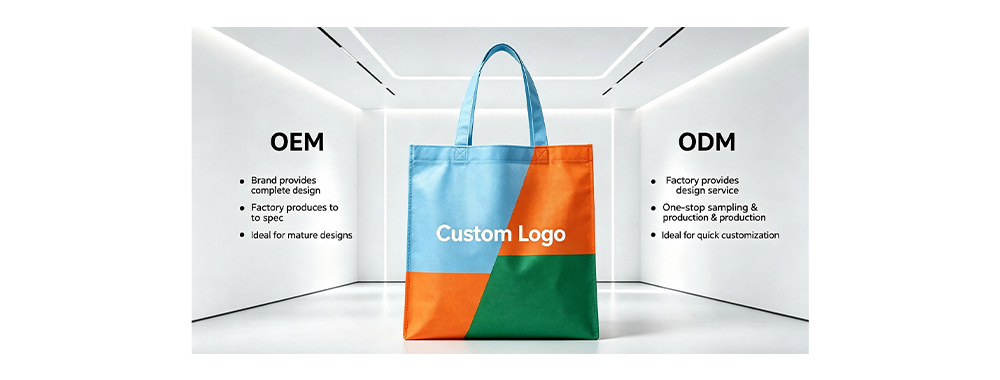
Before cooperating with a Non-woven bag factory, it is important to first understand the differences between the two mainstream cooperation models:
2.1 Non-woven bag OEM (Original Equipment Manufacturing)
Under the OEM model, the brand provides a complete design方案, including:
- Bag style, dimensions, and structure
- Fabric weight (GSM) and color
- Printing patterns and printing processes
- Selection of accessories (such as zippers, webbing, etc.)
The factory will create samples and carry out production according to your design files. This model is suitable for brands that already have a mature design,as it can ensure to the greatest extent that the products meet the brand’s standards.
2.2 PP non-woven bag ODM (Original Design Manufacturing)
Under the ODM model, the factory provides one-stop services from design to production. You only need to provide:
- Brand Logo and basic visual elements
- Budget range and intended use
- Expected quantity and delivery time
The factory’s design team will develop multiple design方案 based on your requirements for you to choose from. This model is suitable for brands that want to save on design costs and launch products quickly.
3. Key Considerations for Customizing Non-woven Bags
3.1 Choosing the Fabric Weight
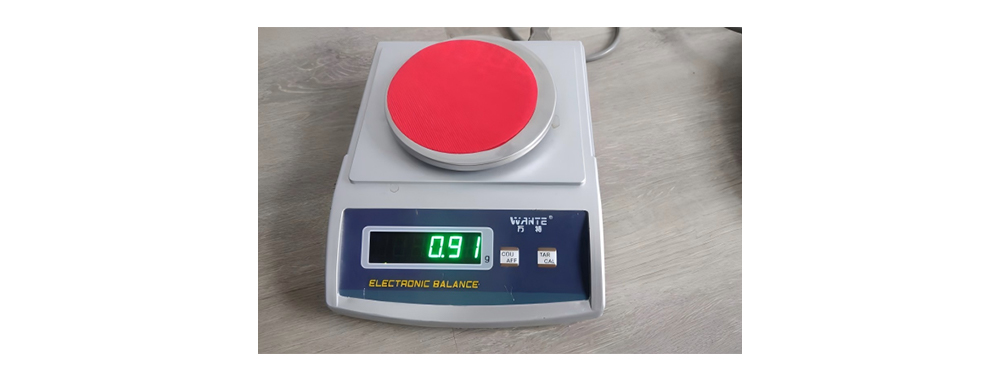
The common fabric weight range for non-woven bags is 60g/m² to 120g/m². The higher the fabric weight, the thicker and more structured the bag will be. For shopping bags, 80g–100g is recommended, while high-end gift bags can use 100g or higher.
3.2 Matching the Printing Process
- Screen Printing: Suitable for single-color or two-color logos. It is cost-effective and ideal for large-volume orders.
- Heat Transfer Printing: Suitable for complex, multi-color designs, providing fine and detailed printing results.
- Laminated Color Printing: Suitable for full-color, photo-quality printing and provides good water resistance.
3.3 Bag Style and Functional Design
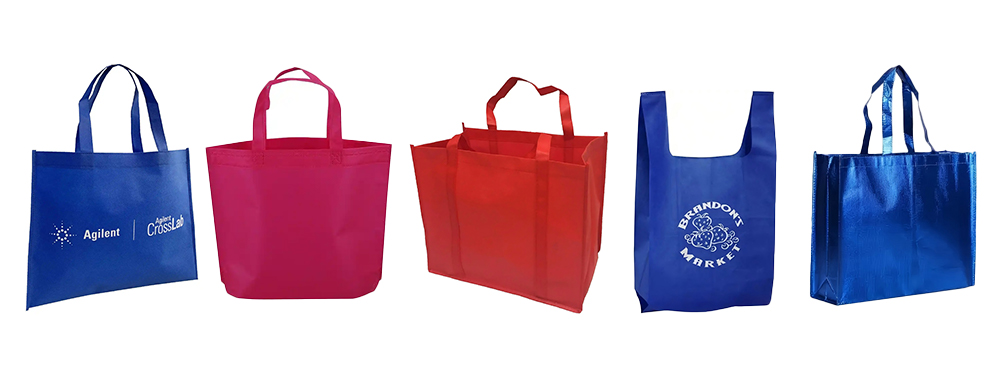
The “bag style” of non-woven bags can be classified from the perspectives of structural construction, manufacturing process, and appearance. The following are the main categories:
3.3.1 Classification by Structural Construction and Manufacturing Process
This classification is based on the manufacturing method and three-dimensional structure of the bag. It determines the bag’s load-bearing capacity and storage capacity and is also one of the most common classification methods used by manufacturers.
- Flat Handle Bags (Flat Die-Cut Bags / Die-Cut Bags): This is the simplest bag structure. Handles are directly punched or sewn onto the pre-cut non-woven fabric, resulting in a flat bag body. The advantages are low cost and reduced material consumption, making them suitable for carrying lightweight items.
- Bottom Gusset Bags: Based on the flat handle bag structure, a foldable gusset is added to the bottom. When expanded, the bottom has additional depth, allowing the bag to stand upright and providing greater capacity than a flat bag.
- Bottom and Side Gusset Bags: This is the most three-dimensional bag style, with gussets on both the bottom and sides. When opened, it takes on a box-like shape, offering the largest amount of space and the strongest load-bearing capacity. It is suitable for carrying heavier items or use as a gift bag.
- Vest Bags: The handles are integrated with the bag body, giving the bag a shape similar to a small vest. The handle openings are relatively large, allowing the bag to be carried over the shoulder. Compared with flat bags, they are more comfortable when carrying heavier items.
- Laminated Bags: A thin film, such as PP or PE film, is laminated onto the surface of the non-woven fabric. This improves the bag’s water resistance and printing quality, making the colors more vibrant. Laminated bags are commonly used as takeaway bags or for packaging that requires a more premium appearance.
3.3.2 Classification by Appearance and Carrying Method
This classification focuses more on usage scenarios and portability, making it one of the most intuitive distinctions we encounter in everyday use.
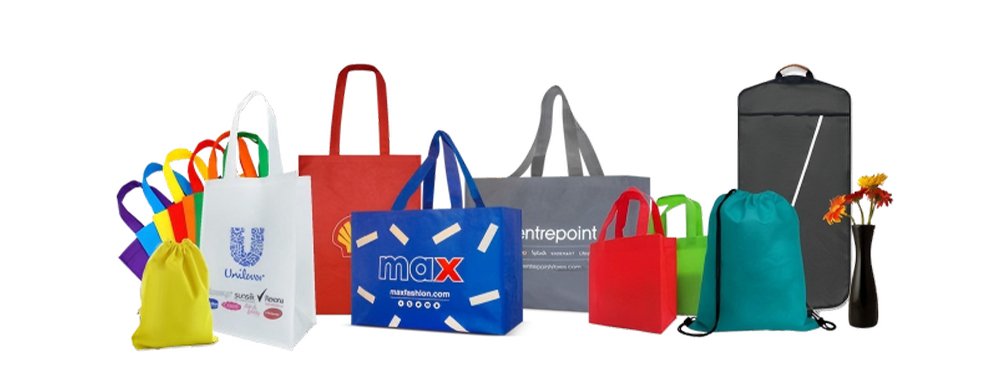
- Tote Bags (Handle Bags): The bag body is sewn or heat-sealed with additional handles, such as ropes, webbing, or non-woven fabric strips. The style is similar to that of a traditional handbag.
- Drawstring Bags: A drawstring is threaded through the opening of the bag, allowing it to be tightened simply by pulling the cord. This effectively helps prevent items inside the bag from falling out and is suitable for carrying small or valuable items.
- Foldable Non-woven Bags (Pouch Bags): These bags can be folded down to approximately the size of a wallet, making them convenient to carry. They are a popular choice for environmentally friendly shopping.
- Three-dimensional Box-shaped Bags: These bags feature a rigid bottom panel. When opened, they form a fully structured, square box shape, offering excellent presentation and resistance to compression. They are commonly used for high-end gift packaging or electronic product packaging.
4. How to Choose the Right Non-woven Bags Manufacturer?
There are many non-woven bag suppliers on the market. When selecting a business partner, it is recommended to focus on the following key aspects:
4.1 Production Qualifications and Experience
Prioritize a Non-woven bag supplier with many years of industry experience. Check whether the supplier has a stable raw material supply chain and mature printing processes, such as screen printing, heat transfer printing, and laminated color printing.
4.2 Minimum Order Quantity (MOQ)
MOQ requirements vary significantly from one factory to another. As a professional Non-woven tote bags manufacturer, Synberry Package offers flexible MOQ options that can be adjusted according to different customers’ needs:
- If you are a start-up business, placing a small trial order can help reduce inventory risks. We support a minimum order quantity as low as 3,000 pieces.
- If you have large-volume purchasing requirements, we can also handle large-scale production orders while offering more competitive unit prices.
It is important to note that the MOQ is usually related to the complexity of the bag style and printing process. The more complex the manufacturing process, the higher the MOQ requirement may be. You can communicate your required order quantity with the factory in advance and confirm whether your requirements can be met before proceeding to the next stage of cooperation.
4.3 Sampling Capability and Lead Time
A high-quality non-woven bag OEM/ODM supplier should be able to provide physical samples within 5–7 working days for you to evaluate the fabric feel, printing quality, and size proportions.
4.4 Quality Control System
Confirm whether the factory has a comprehensive quality inspection process, including incoming raw material inspection, in-process production inspections, and finished product inspection, to ensure consistency across every batch of goods.
5. Complete Process for Customizing Non-woven Bags
The standard cooperation process for customizing non-woven tote bags is usually as follows:
| Stage | Details | Lead Time |
| Requirement Discussion | Confirm the bag style, dimensions, quantity, intended use, and budget | 1–2 days |
| Design Proposal | OEM customers provide design files / ODM factories develop design proposals | 2–5 days |
| Sample Confirmation | Produce physical samples and confirm the fabric, colors, and printing results | 5–7 days |
| Bulk Production | Mass production with quality monitoring throughout the process | 25–30 days (actual time depends on order quantity and peak/off-peak seasons) |
| Quality Inspection & Packaging | Inspect finished products, sort and package them, and prepare for shipment | 2–3 days |
| Logistics & Delivery | Arrange transportation and deliver the products to the designated location | Depends on the distance |
6. FAQ
Q1: What GSM options are available for non-woven bags?
A: We typically offer 60 GSM, 80 GSM, 100 GSM, and 120 GSM as standard options.
- 60–80 GSM: Lightweight and economical, making it an ideal choice for promotional giveaways.
- 100 GSM: Medium weight and the most popular choice for retail shopping bags.
- 120 GSM: A heavier and more rigid structure, suitable for high-end gift bags or heavier items.
For large-volume orders, customized GSM options can also be arranged.
Q2: How much weight can a non-woven bag carry?
A: The load-bearing capacity of a non-woven bag is directly related to the fabric weight, sewing process, and bag structure. Standard 60–80g non-woven bags can generally carry 5–10 kg, while reinforced 100–120g bags can carry 10–15 kg. If higher load-bearing capacity is required, designs such as reinforced handles and a reinforced bottom can be adopted. Load-bearing tests can be conducted during the sampling stage to ensure that the bags meet actual usage requirements.
Q3: What can be printed on non-woven bags?
A: Almost any content can be printed, including brand Logos, Slogans, product information, QR codes, full-color patterns, and more. The choice of printing process depends on the complexity of the design and the budget: screen printing is suitable for simple Logos, heat transfer printing is suitable for multi-color designs, and laminated color printing can achieve photo-quality results.
Q4: What file formats should be provided for the design when customizing non-woven tote bags?
A: We accept AI, PDF, EPS, PSD, CDR, and other vector or high-resolution bitmap formats. For OEM orders, we recommend providing vector files such as AI or PDF to ensure that the artwork does not become distorted during printing. If you only have image files such as JPG or PNG, our design team can assist with optimization.
Q5: Do you provide samples? How long does the sampling process usually take?
A: Yes, we provide physical sampling services. The sample production lead time is generally 5–7 working days, depending on the complexity of the design and the required manufacturing processes. We strongly recommend that all customers confirm the samples before proceeding with mass production to avoid discrepancies in the final bulk order.
Q6: What are your quality inspection standards?
A: We use the AQL 1.5/4.0 international inspection standard for sampling inspection. Inspection items include dimensional tolerances, printing registration and color fastness, sewing quality, fabric defects, load-bearing tests, accessory functionality, and more. Three-stage quality inspections—pre-production, during production, and post-production—help ensure that problems are identified and resolved in a timely manner.
7. Conclusion
Customized non-woven bags are a highly cost-effective component of a brand’s packaging strategy. Whether you use them for brand promotion or everyday retail packaging, choosing an experienced Non-woven bag factory with strict quality control is one of the keys to success.
Synberry Package, as a professional Non-woven tote bags manufacturer, is committed to providing high-quality and cost-effective customized non-woven bag solutions for brands worldwide. From design consultation to finished-product delivery, we accompany you throughout the entire process and help your brand packaging stand out.