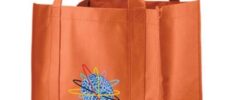
As a key category of eco-friendly packaging, non-woven bags have been widely used in retail, catering, exhibitions, and brand promotional activities. However, with a wide variety of products available on the market and significant price differences, brand purchasers often find it difficult to determine: why do bags that are both labeled as “80gsm non-woven fabric” have such dramatically different performance and user experiences?
Evaluating the quality of non-woven bags should not rely solely on hand feel or price perception. Instead, it requires a measurable and verifiable evaluation system. Today, based on 16 years of Non-woven bag OEM manufacturing experience, we provide purchasers with a practical quality assessment guide from four key perspectives: materials, production processes, appearance, and functionality.
1. Material and Fabric Weight
The quality of a non-woven bag starts with its raw materials. Currently, the most commonly used material is polypropylene (PP) non-woven fabric, while fabric weight (GSM, Grams per Square Meter) directly determines the bag’s stiffness, structure, and basic load-bearing capacity.
Key Evaluation Points:
- Fabric Weight (GSM): The fabric weight (GSM) refers to the weight and thickness of the material. The higher the GSM, the thicker and more durable the bag will be, allowing it to carry heavier items with less risk of tearing. The common GSM range for non-woven bags on the market is from 60g/m² to 120g/m². For standard promotional bags, a specification of no less than 80g/m² is recommended. If the bag needs to be reused frequently or carry heavier items, a higher GSM material is recommended.
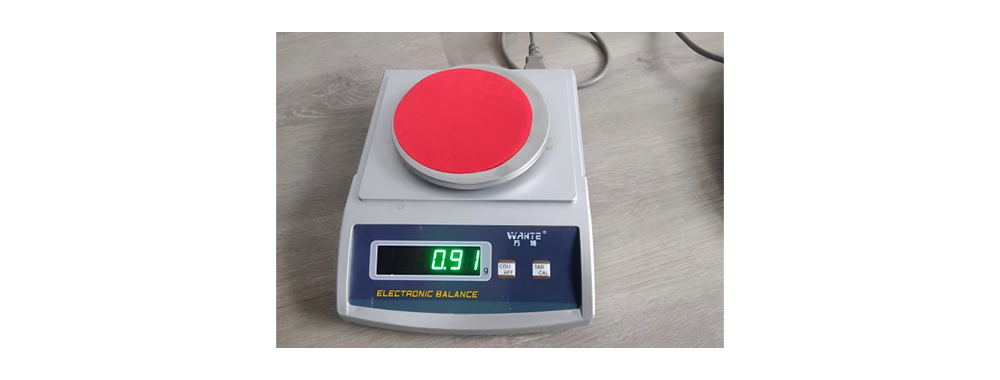
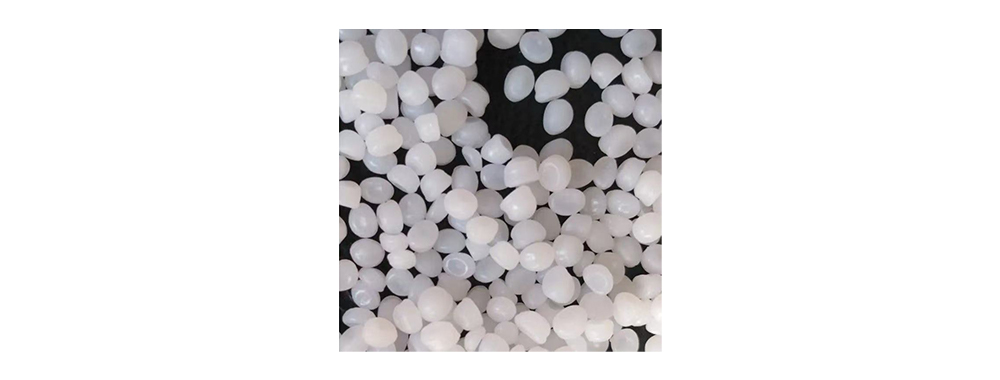
• Raw material purity: High-quality non-woven fabric is produced using virgin raw materials. The fabric surface is smooth, the texture feels soft, and it has natural elasticity. If recycled materials or fillers are added, the fabric will appear thicker and stiffer; however, after stretching, it is difficult for the material to return to its original shape, and its tensile strength will be significantly reduced.
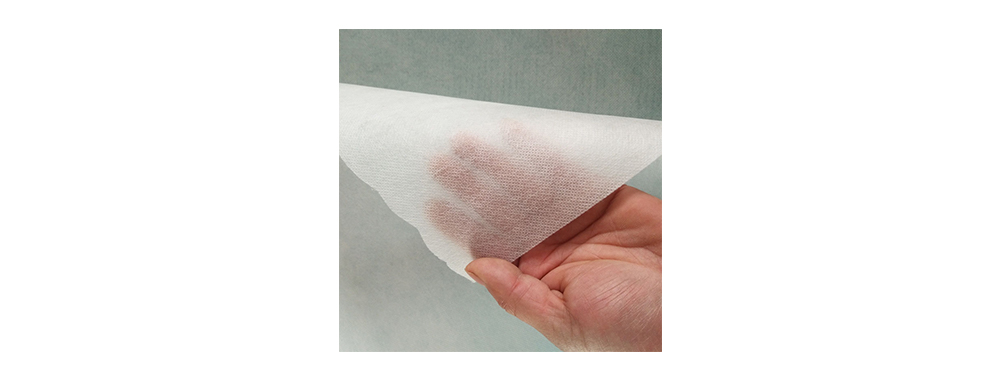
• Thickness uniformity: Hold the fabric against a light source for inspection. High-quality non-woven fabric has extremely minimal thickness variation and a uniform texture. Inferior fabric, however, has uneven thickness, which causes weaker areas to tear first when under stress, significantly reducing its actual load-bearing capacity.
2. Sewing Process
If the base material determines the fundamental durability of a non-woven bag, then the sewing process is the core factor that determines the strength and firmness of the finished product. The greater the load-bearing capacity required for a non-woven bag, the higher the requirements for its sewing craftsmanship.
Key Evaluation Points:
• Stitch density: Industry standards require a sewing density of 5 stitches per inch (approximately 2 stitches per centimeter). Bags with a stitch density below this standard are prone to having the seams pulled apart when under stress, resulting in a significant reduction in load-bearing capacity.
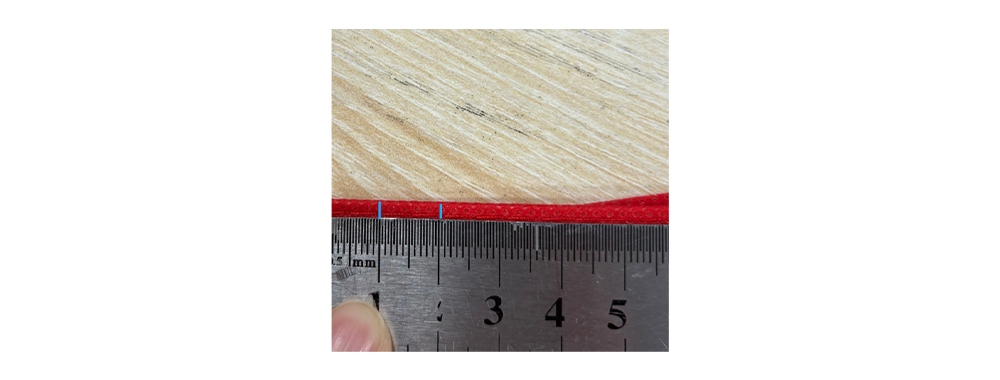
• Sewing thread quality: A professional Non-woven bag manufacturer uses pure cotton thread or high-strength polyester thread. The stitching should be neat and consistent, with no skipped stitches or loose stitches, and the bag opening should be reinforced with backstitching. The stitching points between the handles and the bag body should adopt double-line reinforcement or bartack stitching to prevent concentrated stress and tearing caused by single-line stitching.
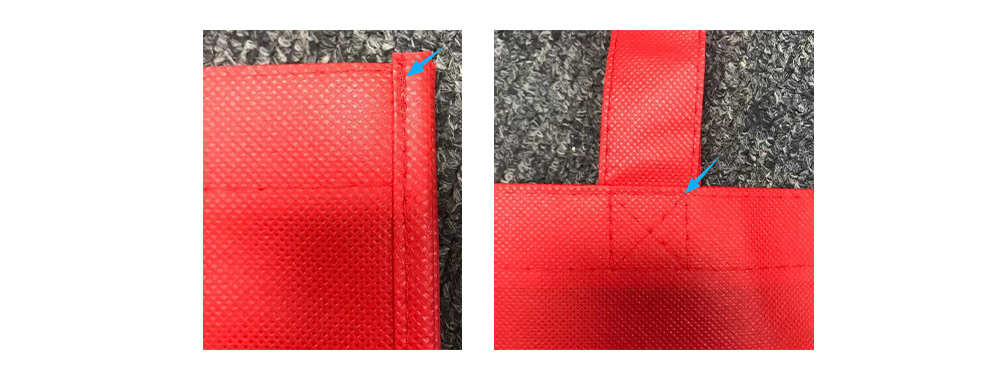
• Size accuracy: The finished product size deviation should be controlled within ±0.5cm. Bags with excessive size deviations not only affect stacking and storage efficiency but also indicate rough cutting processes and inadequate quality control procedures at the PP non-woven bag factory.
3. Printing and Appearance
For Non-woven bag OEM, printing quality directly affects end consumers’ perception of the brand. The fiber structure of non-woven fabric is unique, and not all printing processes can achieve ideal results on its surface.
Key Evaluation Points:
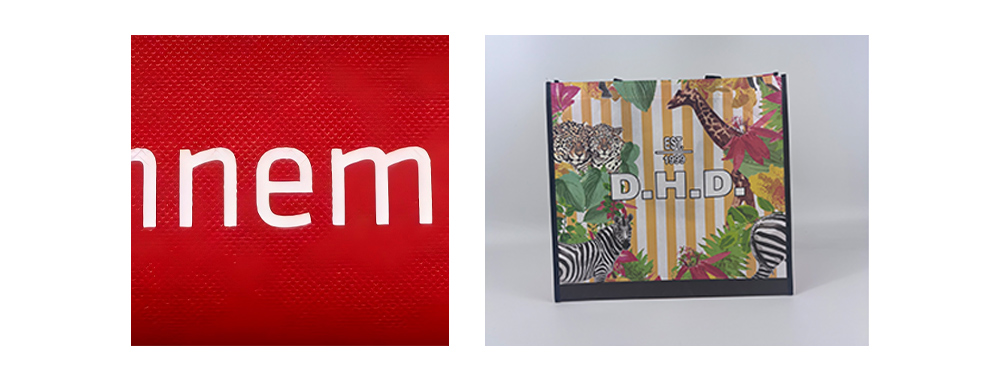
• Printing clarity and color registration accuracy: Patterns and text should have consistent colors and clear edges, with color registration deviation controlled within 0.1cm. Screen printing is suitable for large-area solid color blocks in single-color or two-color designs, offering strong color coverage. If gradient effects or complex patterns are required, flexographic printing or digital printing can achieve better results; however, the adhesion between the ink and the fabric must be confirmed.
• Printing durability: High-quality printing should use environmentally friendly water-based ink, which is non-toxic and odorless, and should not easily fade after rubbing. Inferior printing often has a “floating ink” phenomenon, where the color comes off easily with light finger rubbing. After long-term use, the brand logo may become blurred, which can negatively affect the brand image.
• Appearance cleanliness: The bag body should be smooth and free from stains, hard spots, obvious creases, or wrinkles. For laminated products, check whether there are any air bubbles. If used for food or cosmetic packaging, it is also necessary to confirm that there is no irritating odor — such odors usually come from inferior inks or chemical residues in recycled materials.
4. Functional Performance
Different application scenarios have significantly different functional requirements for non-woven bags. Food delivery and catering applications focus on oil resistance and water resistance, business gift packaging emphasizes a structured appearance and premium texture, while retail shopping applications prioritize load-bearing capacity and durability.
Key Evaluation Points:
• Load-bearing capacity: The load-bearing capacity of a standard 80g/m² non-woven tote bag should be no less than 10kg. Buyers can verify this through practical testing: after placing items of the corresponding weight inside the bag, observe whether the bag body shows obvious deformation and whether the handles show signs of stretching or tearing.

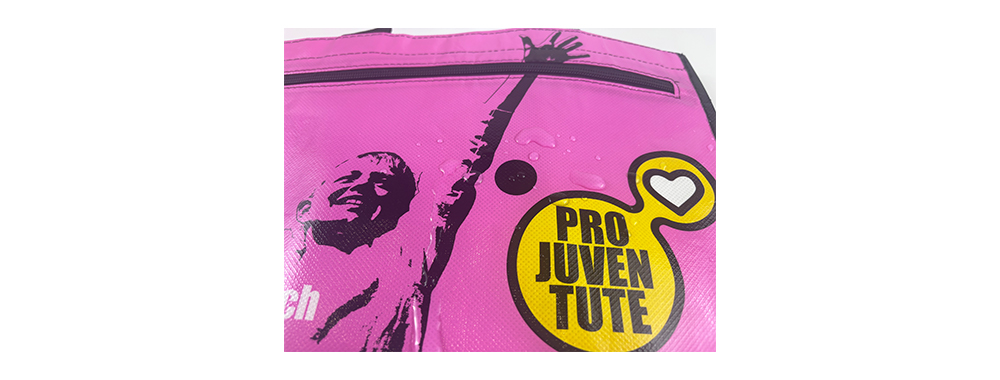
• Oil resistance and waterproof performance: If used as a Waterproof non-woven bag for food delivery and catering applications, it is necessary to confirm whether the bag has undergone lamination treatment. Laminated bags perform significantly better than non-laminated products when exposed to hot oil and liquids, effectively preventing leakage of sauces and liquids.
• Weather resistance: If a non-woven bag needs to be used outdoors for an extended period, such as an exhibition promotional bag or a shopping bag designed for long-term repeated use, weather resistance becomes a key factor affecting its service life. High-quality polypropylene non-woven fabric contains UV stabilizers, which help resist aging and degradation caused by prolonged exposure to sunlight. It is less likely to become brittle or fade, and can maintain stable outdoor performance for several months.
5. Practical Guide: 6 Quick Quality Inspection Methods
As a professional Non-woven bag supplier, I recommend that buyers who do not have access to professional laboratory testing facilities can use the following simple methods for quick inspection:
| Inspection Item | Simple Method | Acceptance Standard |
| GSM and Uniformity | Observe the fabric against light | Even thickness, consistent texture, and no transparent holes |
| Texture and Elasticity | Stretch the fabric with both hands and release | Returns to its original shape, not stiff, and no unpleasant odor |
| Load-bearing Test | Place a 10kg weight inside the bag and leave it for 30 minutes | No obvious deformation of the bag body and no tearing of the handles |
| Printing Quality | Gently rub the printed surface with fingers and observe against light | No color fading, clear patterns, and accurate color registration |
| Sewing Inspection | Visual inspection + gently pull the handle stitching area | Even stitches, no loose threads, and proper backstitch reinforcement |
| Waterproof Test | Place colored liquid inside the bag and leave it standing | No leakage from the bottom or seams |
6. FAQ
Q1: Is a higher GSM always better for non-woven bags?
A: Not necessarily. A higher GSM makes the bag more structured and improves load-bearing capacity, but it also increases costs and makes the fabric feel stiffer. For standard brand promotional bags, 80g/m² is usually sufficient to balance texture and cost. For carrying heavier items or long-term reusable applications, 100–120g/m² is recommended.
Q2: How much weight can a non-woven bag generally support?
A: Taking an 80g/m² non-woven tote bag made from virgin materials as an example, the industry standard load-bearing capacity should be no less than 10kg. However, actual performance is greatly affected by sewing craftsmanship — bags with insufficient stitch density or without reinforced handles have significantly lower load-bearing capacity compared with bags featuring dense stitching and bartack-reinforced handles. Buyers with load-bearing requirements are advised to communicate the required manufacturing process in advance.
Q3: Which is more suitable for non-woven bags, screen printing or heat transfer printing?
A:
• Screen printing: Suitable for large-area designs with 1–3 colors. It provides high color saturation and lower cost but is not suitable for gradients or highly detailed patterns.
• Flexographic printing: Suitable for multi-color and more complex designs. It provides a smoother printing surface and is suitable for mid-to-high-end brand customization.
The choice should be based on the complexity of the design artwork and the overall budget.
Q4: What is the difference between laminated and non-laminated non-woven bags?
A: Lamination (usually glossy film or matte film) adds a layer of plastic film to the fabric surface, significantly improving waterproof and oil-resistant performance while making printed colors brighter and more wear-resistant. Non-laminated bags are more environmentally friendly and cost-effective, but have weaker waterproof performance and relatively limited printing durability. Laminated versions are recommended for food delivery and cosmetic packaging, while non-laminated bags are suitable for general retail promotions.
Q5: What compliance certifications are required for non-woven bags exported to the EU?
A: The three key areas of focus are:
• REACH Regulation: Ensure that raw materials do not contain excessive levels of SVHCs (Substances of Very High Concern).
• PPWR (Packaging and Packaging Waste Regulation): Focus on PP content and packaging minimization requirements.
• Food contact compliance: If used for food packaging, the product must comply with EU 10/2011 or applicable national standards.
7. Conclusion
Evaluating the quality of non-woven bags is essentially about achieving a balance among multiple aspects, including raw materials, manufacturing processes, printing, and functional performance, rather than pursuing the highest level of a single parameter. For buyers, there is no need to blindly pursue higher GSM or special processes. Instead, by considering their specific application scenarios and verifying each evaluation point mentioned in this article, they can select quality products at a reasonable cost.
A clear quality evaluation standard not only helps buyers avoid the risks of low-priced, inferior products but also prevents unnecessary cost waste. Ultimately, it enables non-woven bags to truly deliver the value of environmentally friendly packaging and help brands demonstrate a strong sense of social responsibility.
At Synberry Package, we have specialized in OEM custom production of non-woven bags for 16 years. We consistently use virgin materials and strictly follow industry manufacturing standards. We provide customized GSM, production processes, and functional solutions based on different customer application scenarios. We can also assist with the compliance testing and certification requirements needed for export markets. If you have any customized purchasing requirements, please feel free to contact us for consultation and communication.