In B2B packaging procurement, PP woven bags and PP non-woven bags are two of the most commonly used polypropylene-based packaging products. Although both are made from PP materials, the final products made into PP woven bags and PP non-woven bags have significantly different performance characteristics and application scenarios.
This article provides a systematic analysis of the key differences between PP woven bags and non-woven bags from the perspectives of manufacturing processes, mechanical properties, printing performance, and application scenarios, helping you make a precise choice that best matches your business needs during procurement.
1. Structural Differences
- PP Woven Bags
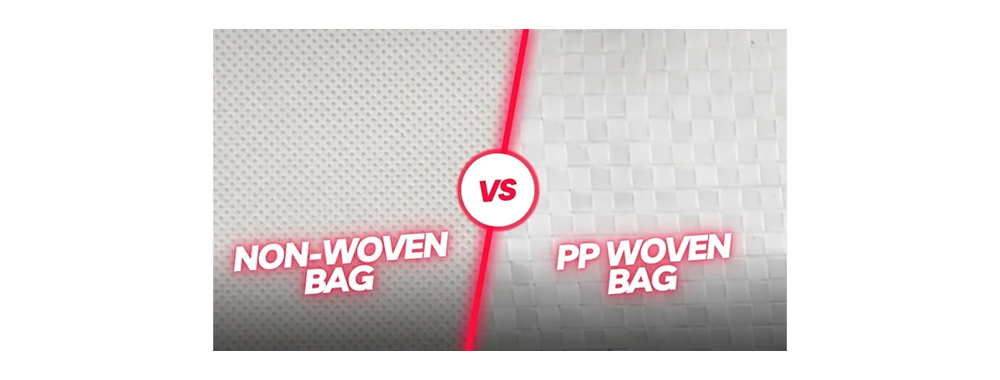
A PP woven bag is manufactured by extruding polypropylene resin into flat tape yarns through an extruder. These tape yarns are then woven vertically in the warp and weft directions on circular or flat weaving looms to form a stable grid structure. This woven construction allows stress to be distributed evenly along both directions, giving PP woven bags outstanding tensile strength and tear resistance.
To enhance water resistance and improve print quality, PP woven bag manufacturers typically laminate the woven fabric with a layer of BOPP (Biaxially Oriented Polypropylene) film before printing. After lamination, woven bags become highly resistant to moisture while achieving printing quality comparable to that of non-woven bags. As a result, laminated woven bags are also widely used in the PP woven shopping bag market, including laminated supermarket shopping bags and branded promotional tote bags.
From a supply chain perspective, the production process in a woven bag factory generally includes the following steps:
Tape Extrusion → Weaving → Lamination/Printing → Cutting → Sewing
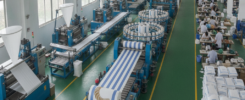
Although this manufacturing process requires substantial investment in equipment such as weaving looms, laminating machines, and printing presses, the technology is highly mature and well-suited for large-scale standardized production.
- PP Non-Woven Bags
A PP non-woven bag is produced using the spunbond or thermal bonding process. Polypropylene resin is melted and extruded into extremely fine continuous filaments, which are randomly laid onto a conveyor belt to form a fiber web. The web is then bonded together by heated rollers under pressure, creating a fabric without a warp-and-weft woven structure.
Because there are no woven intersections, non-woven fabric is isotropic, meaning its strength is relatively uniform in all directions. It also features a soft texture and a smooth surface, making it highly suitable for screen printing, heat transfer printing, or laminated full-color printing.
For a non-woven bag manufacturer, the production process is highly automated. From resin feeding to finished bags, most operations can be completed on a single production line. As a result, non-woven bags offer much faster turnaround times than woven bags, especially for small-volume, multi-design orders.
2. Performance Comparison
2.1 Tensile Strength and Load-Bearing Capacity
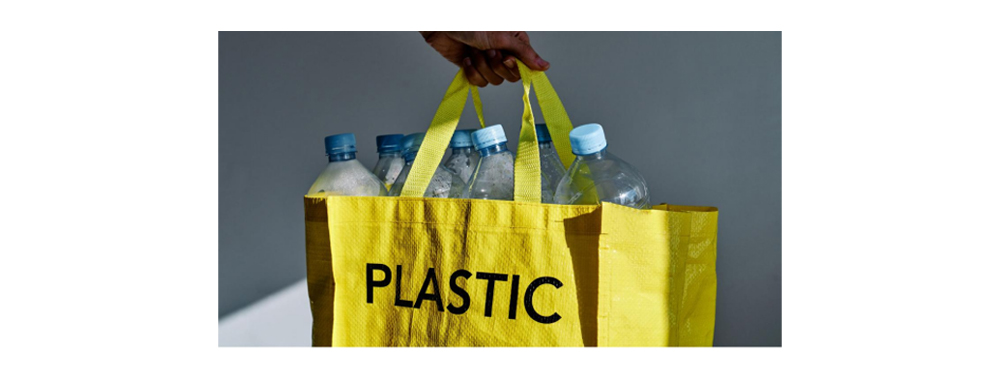
- The interwoven warp-and-weft structure of a PP woven bag gives it exceptionally high tensile strength. A standard laminated woven bag can typically carry 25–50 kg, while even unlaminated woven fabric offers significantly higher tensile strength than non-woven fabric of the same basis weight.
When a packaging solution requires heavy-duty load-bearing performance, PP woven bags are almost always the default choice.
- In contrast, the load-bearing capacity of a PP non-woven bag is primarily determined by its GSM (grams per square meter).
- 40 GSM: An ultra-lightweight option suitable for disposable or short-term promotional applications, such as trade show brochures, lightweight apparel packaging, or event giveaways.
- 80 GSM: The industry standard, capable of carrying 8–12 kg. It offers an excellent balance between cost and performance, making it the preferred choice for retail stores and trade show applications.
- 100–120 GSM: A heavy-duty non-woven fabric that delivers performance close to that of lightweight PP woven bags. It is well suited for chain supermarkets, reusable shopping bags, and long-term retail programs.

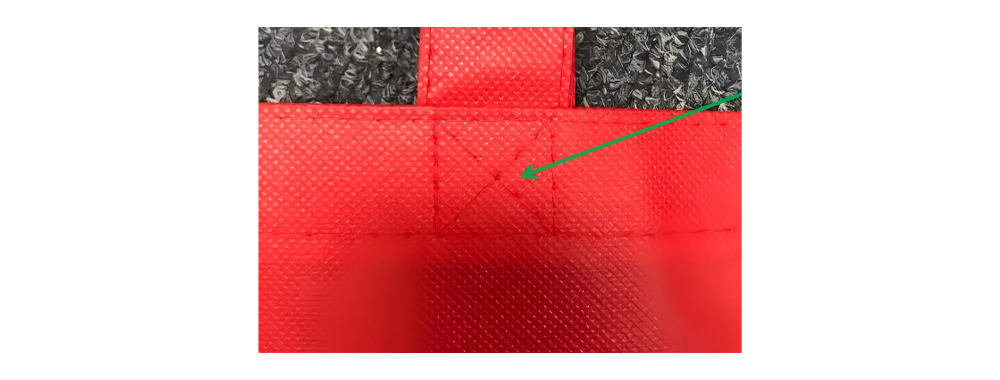
Advanced non-woven bag manufacturers also offer reinforced handle options—such as bar-tack stitching or heat-sealed X-shaped reinforcement—as well as gusseted bottoms. These structural enhancements can significantly increase the bag’s load-bearing capacity without increasing its GSM.
When working with a non-woven bag supplier, these structural specifications are typically customized according to your load-bearing requirements—not simply based on your logo artwork.
2.2 Water Resistance and Weatherability
- By itself, a PP woven bag is not waterproof. The woven tape yarns create small gaps between the fibers, allowing liquids and moisture to penetrate the fabric. To make it suitable for waterproof or moisture-resistant applications, the bag must be laminated with BOPP film or fitted with a PE liner.
Once laminated, a PP woven bag offers excellent water and moisture resistance. However, these additional treatments also increase the overall production cost.
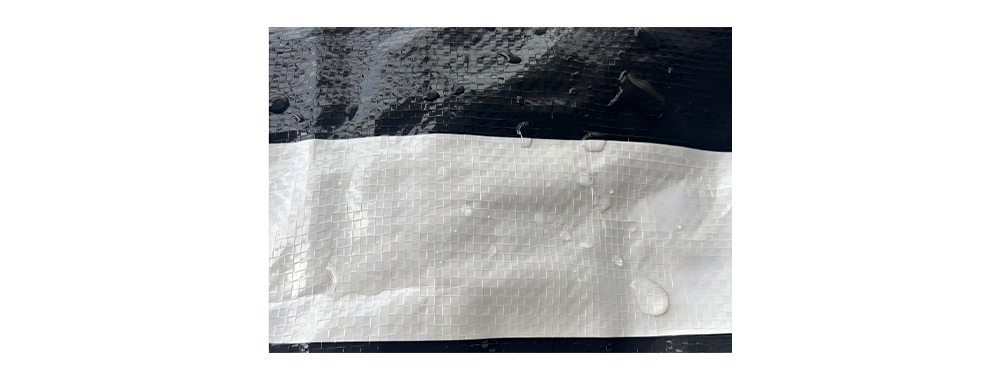
- In contrast, the thermally bonded fiber structure of a PP non-woven bag provides a certain degree of water repellency. Water droplets tend to bead up and roll off the surface, although prolonged exposure or immersion will eventually allow moisture to penetrate the material.
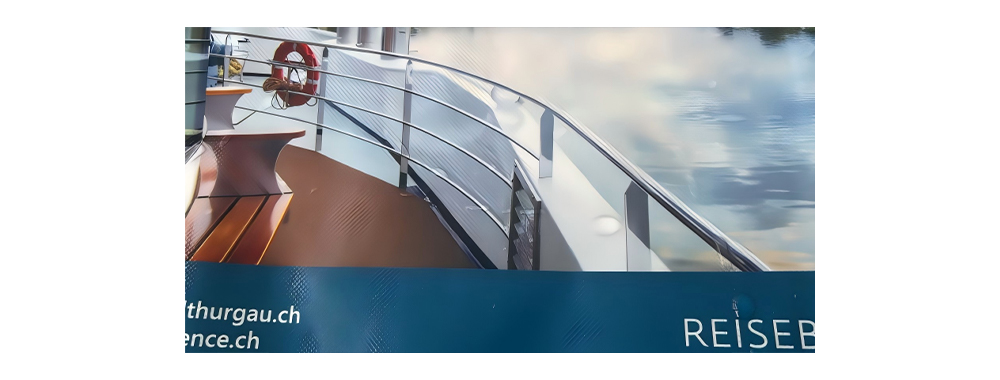
When laminated, PP non-woven bags can achieve a level of water resistance comparable to that of laminated PP woven bags, making them well suited for applications such as beach bags, insulated cooler bags, and outdoor promotional bags.
3. Printing Performance
The ability to customize bags allows businesses to create a distinctive and memorable brand identity. Customization becomes especially important when companies need to incorporate their logo, brand elements, colors, and marketing messages into the packaging. Let’s take a look at how these bags can be customized to reflect your brand identity and appeal to your target audience.
- An unlaminated PP woven bag has a rough surface with a visible woven texture, resulting in relatively poor print quality. It is generally suitable only for simple single-color screen printing.
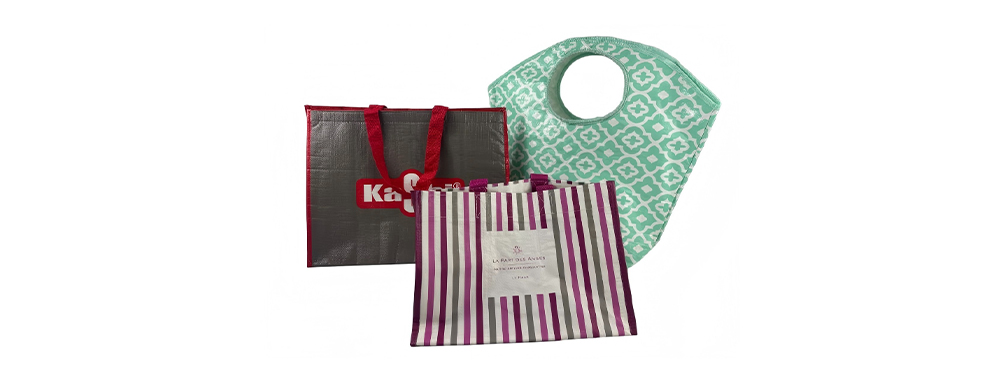
Once laminated, however, the surface of a PP woven bag becomes smooth, thanks to the BOPP film layer, making it suitable for high-resolution full-color printing with results comparable to those of PP non-woven bags.
As a result, laminated, full-color printed woven shopping bags are becoming increasingly popular in supermarkets, trade shows, and FMCG promotional campaigns. They combine the superior strength of woven bags with the attractive printing quality typically associated with non-woven bags.
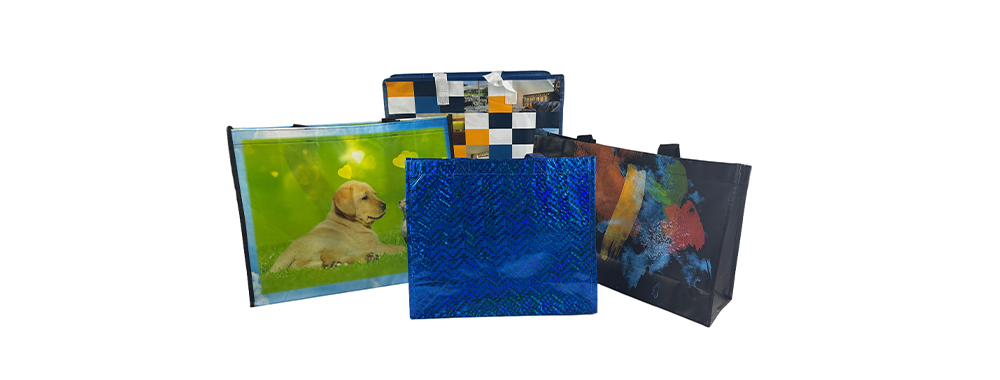
- A PP non-woven bag features a naturally smooth surface, allowing for high-quality screen printing or heat transfer printing without the need for lamination. When laminated, it can achieve photo-quality full-color printing with exceptional image clarity and color reproduction.
For non-woven bag OEM projects that require intricate brand graphics, gradient colors, or QR codes, PP non-woven bags are generally the more reliable choice for delivering consistent, high-quality printing results.
4. Application Recommendations
PP Woven Bags vs. PP Non-Woven Bags: Recommended Applications
| Application | Recommended Solution | Reason |
| Laminated shopping bags for chain supermarkets | Laminated PP woven bags | High load capacity (15–20 kg) combined with full-color printing, making them ideal for frequent reuse. |
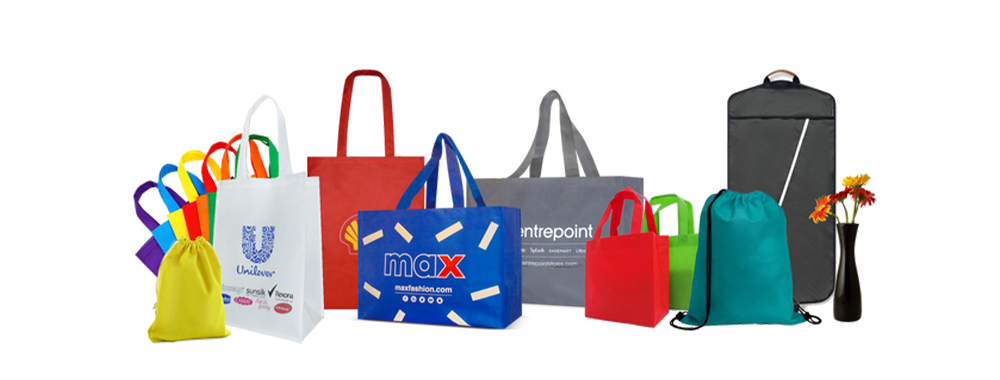
| Trade shows and promotional tote bags | PP non-woven bags | Soft texture, foldable enough to fit into a pocket or handbag, fast production lead times, and excellent print quality. |
| Garment bags and retail bags for footwear & apparel | PP non-woven bags | Smooth surface protects clothing, folds easily, and can be enhanced with lamination and hot foil stamping for a premium brand image. |
| Gift bags for cosmetics and skincare brands | PP non-woven bags | Smooth surface is ideal for detailed logos and can be customized with ribbon handles, magnetic closures, and other premium finishing options. |
| Food delivery and bakery takeaway bags | Laminated PP non-woven bags | Water- and grease-resistant, with the option of insulated linings, making them suitable for short-term repeated use. |
| Bookstores and lifestyle brands | PP non-woven bags | Supports illustrations, gradients, and intricate graphics, making it ideal for brands with a creative or artistic identity. |
| Promotional bags for sports and outdoor brands | Laminated PP woven bags | Durable, water-resistant, and capable of carrying heavier sports equipment, making them well suited for outdoor applications. |
| Hotel and resort giveaway bags | PP non-woven bags | Soft, lightweight, and easy to carry. Customized with hotel branding, they provide guests with a convenient bag for sightseeing and carrying personal belongings while enhancing the overall brand experience. |
| Promotional bags for beer and beverage brands | Laminated & reinforced PP woven bags | A six-pack of beer or beverages typically weighs 8–12 kg, making the reinforced woven structure a safer and more reliable choice. |
| Bags for baby products and toy brands | PP non-woven bags | Soft to the touch with no coarse woven texture, making them better suited to child-focused brands and safety-conscious applications. |
| E-commerce shipping and logistics transit | Unlaminated PP woven bags | Extremely cost-effective, abrasion-resistant, and reusable, although they offer little value for brand presentation. |
| Environmental campaigns and government promotional bags | Depends on budget | Choose PP non-woven bags for a premium feel and superior print quality when the budget allows; choose laminated PP woven bags for greater durability and long-term promotional use when cost is a priority. |
FAQ: Frequently Asked Questions from B2B Buyers
Q1: As a non-woven bag OEM buyer, what is the minimum order quantity (MOQ)?
A: The standard MOQ is 3,000–5,000 pieces per design. The exact quantity depends on the printing method and bag style.
Q2: How should I choose the GSM of a PP non-woven bag?
A: The GSM should be selected based on the application scenario.
- 60–80 GSM: Suitable for lightweight retail bags and trade show giveaways.
- 100–120 GSM: Suitable for supermarket shopping bags or gift bags that require a longer service life.
A professional non-woven bag manufacturer will provide load testing data for verification and help you select the appropriate material specification.
Q3: Is there still a significant difference in printing quality between laminated PP woven bags and PP non-woven bags?
A: After lamination, the surface of a PP woven bag becomes smooth, and the full-color printing effect is very close to that of laminated non-woven bags. However, the woven texture of unlaminated woven bags can significantly affect detailed graphics.
If your design includes small text, fine details, or gradient colors, it is recommended to choose a laminated woven bag or directly select a PP non-woven bag.
Q4: Does bar-tack reinforcement (reinforced stitching) increase the cost?
A: Yes. Reinforced cross stitching will increase production costs. On average, adding X-shaped reinforcement increases the cost by approximately RMB 0.1 per bag.
Q5: Is the BOPP film on laminated woven bags prone to peeling or bubbling?
A: Qualified products should not have this issue. The key quality control factors include:
- Lamination temperature
- Film thickness (12–18 μm)
- Curing time (24–48 hours)
Proper control of these factors ensures strong adhesion between the woven fabric and BOPP film.
Q6: Can laminated non-woven bags still be recycled?
A: It depends on the lamination material. Bags made from the same material can generally be recycled.
- BOPP film lamination: Theoretically recyclable because it is the same PP material, although adhesives may affect material purity.
- PET film / PE coating: These are different materials and are generally not recyclable.
Q7: Can PP woven bags and PP non-woven bags be included in the same order?
A: Yes, but they require production on two separate production lines running in parallel. Synberry Package supports a “mixed project” model with:
- Unified procurement communication
- Coordinated delivery schedules
- Unified AQL quality inspection
Q8: Can consumers clearly feel the difference between laminated woven bags and non-woven bags?
A: Yes. The difference in texture can directly influence brand perception.
- PP woven bags: Firm structure, plastic film-like surface, and a slight “rustling” sound → communicates durability and strength.
- PP non-woven bags: Soft texture, skin-friendly feel, and quiet handling → communicates lightweight convenience, environmental friendliness, and premium quality.